In the past, navigation relied heavily on hardware. Today, GPS technology has evolved, with free mobile mapping apps transforming how we navigate. Similarly, GPS tracking is gaining ground and mobile apps are starting to fill some of those roles. These apps help track time for field technicians, provide service verification and manage same-day scheduling.
Improvements in dispatch technology have boosted the feature set of other fleet apps, especially GPS tracking. What used to be considered the domain of dispatching apps has now crept into GPS tools. A big part of that shift is customer expectations. Many HVAC, plumbing and electrical service providers are finding they need to provide more accurate arrival times and keep customers informed if they are running late due to an extended job, traffic jams or unexpected emergencies. Because of this, many service companies are looking for solutions and it’s becoming essential rather than just a nice extra.
Here’s how GPS tracking has become essential for field service operations.
Understanding Fleet GPS Tracking
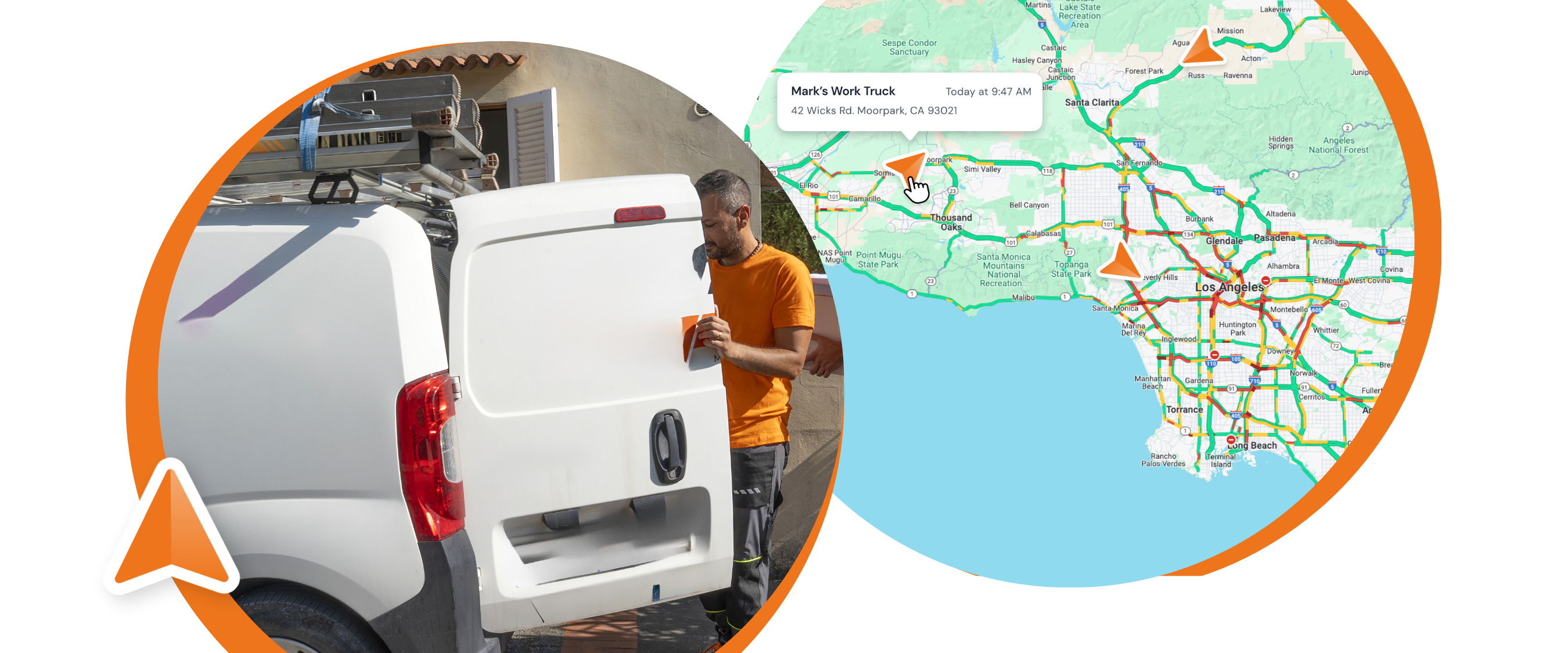
Modern mobile devices receive positioning data from satellites. Various apps utilize this data to offer navigation and locate services. Mobile workforce apps employ the same data to give real-time views of teams on the move.
The Costs of Operating Without GPS
Recognizing the downsides of neglecting GPS tracking is vital for field service companies:
- Fuel Waste: Inefficient routes and unauthorized use lead to unnecessary fuel expenses.
- Customer Communication: Without accurate ETAs, customer satisfaction drops dramatically.
- High Payroll Costs: Unauthorized stops and overtime inflate labor costs.
These issues compound quickly. GPS tracking effectively addresses all these challenges.
Reasons to Adopt GPS Tracking
1. Real-Time Team Visibility
GPS tracking enables immediate awareness of who is on the clock and their locations. Field and team managers can monitor trips, spot delays and respond to issues like breakdowns or traffic delays. This system reduces the need for constant phone check-ins, allowing team members to focus on their tasks and customers.
2. Lower Fuel Costs
Fuel expenses are significant for any mobile team. GPS tracking minimizes trips to the pump by:
- Optimizing job assignments to reduce driving distances.
- Detecting unauthorized personal trips.
A 10% reduction in fuel costs can lead to significant savings. For example a company that has five team members with vehicles can save $3,500 in fuel costs alone. See our diesel fuel savings calculator.
3. Faster Customer Communication
Customers expect prompt updates. GPS tracking allows quick notifications of delays and helps retain customer trust. GPS timestamps also serve as proof of service for after-hours jobs or unattended services, enhancing transparency.
4. Improved Shift and Overtime Management
Timestamp data assists in managing job assignments effectively and identifies unauthorized stops or overtime.
5. Data-Driven Decisions
The data generated by GPS systems holds strategic value. Companies can analyze team performance trends over time to inform smarter business choices.
Conclusion
Investing in GPS fleet tracking is not just about technology to get that bird’s eye view of your mobile team, it's about transforming operations. Fleets that implement GPS tracking see lower operating costs and happier customers.
More Insights & Tips